

Destination
Mozambique
Why visit?
Why visit Mozambique?
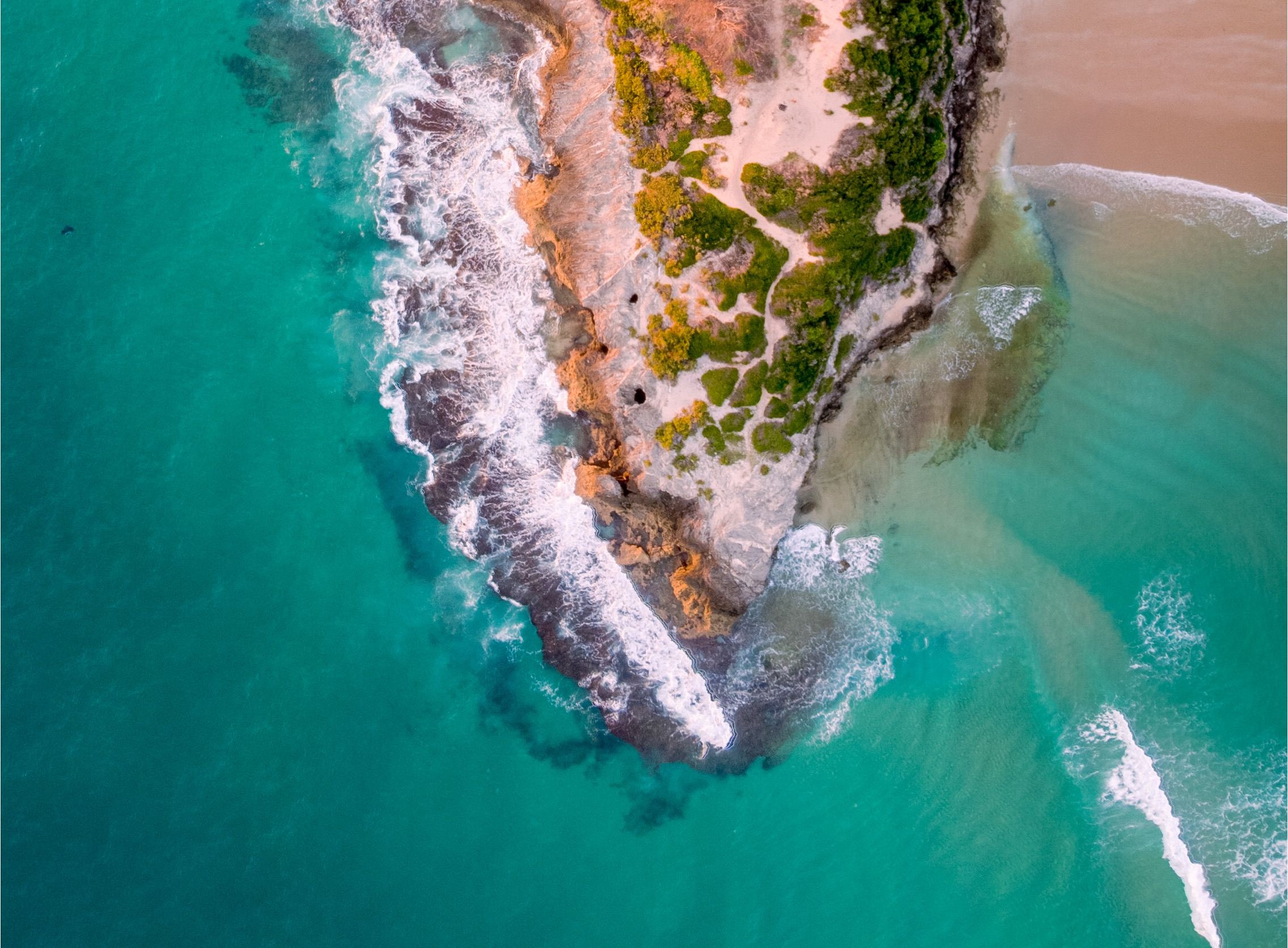
Mozambique keeps most of its 2,500-kilometre coastline to itself. Beyond Bazaruto's dunes, dugongs graze the seagrass in one of the last places on Earth where they still gather in real numbers, a species so rare that most divers will go a lifetime without seeing one. Further north, the Quirimbas' reefs run largely untouched, hundreds of kilometres from the nearest crowd. Inland, Gorongosa tells a different kind of story: a park that lost almost everything to war, and was rebuilt, species by species, into one of conservation's genuine second chances.
Unique
What makes Mozambique unique
- Bazaruto Archipelago - Dugongs graze just offshore, coral reefs run vivid and largely untouched, and days unfold between overwater villas, traditional dhow sailing, and horseback rides along empty stretches of sand.
- Quirimbas Archipelago - Spread across 32 islands, this is Mozambique at its most remote: mangrove-lined channels to kayak, coral gardens to dive, and Ibo Island's crumbling Portuguese forts, still carrying the weight of centuries of trade. Many islands here host just a single lodge, sometimes none at all.
- Gorongosa National Park - One of conservation's great second chances, rebuilt from near total collapse into a thriving ecosystem of lion, elephant, and wild dog, with birding regarded among the finest on the continent.
- Niassa Reserve - At over 42,000 square kilometres, this is wilderness on an almost unmatched scale, home to one of Africa's last great lion strongholds, a significant population of endangered wild dog, and a rare chance for genuine cultural exchange with the local Yao communities who call this land home.
Getting there
How to get there
Fly into Maputo (MPM), Vilankulo (VNX), or Pemba (POL), connecting via Johannesburg, Addis Ababa, Doha, or Nairobi, depending on which stretch of coast you're headed to. From there, light aircraft complete the journey to the Bazaruto and Quirimbas lodges, many of which sit on islands with no other way in. Leshy arranges private charters and dhow transfers for those who'd rather the journey itself feel like part of the trip.
Seasons
When to visit
May - October brings Mozambique's dry season: calm seas, excellent visibility, and the country's best diving. Humpback whales pass through July - October, making this window equally prized for whale watching. November - April shifts the mood entirely, hot, humid, and lush, but it's turtle nesting season along the coast, with loggerheads and leatherbacks coming ashore to lay their eggs, best experienced from November through February.
Prime locations
Where to go
- Bazaruto Archipelago Dugongs, coral reefs, overwater villas, dhow sailing, horseback riding.
- Quirimbas Archipelago 32 islands, Ibo Island history, mangrove kayaking, private islands.
- Gorongosa NP Restoration icon, lion, wild dog, birding, community conservation.
- Niassa Reserve Vast wilderness, Niassa lion, wild dog, Yao cultural tours.
Enquire